Welcome to the second installment of “Wild Ideas: The Biomimicry of Public Lands and Waters of the U.S.” The series, in collaboration with AskNature.Org, focuses on how the biota in some of the most iconic places in the United States—from national parks, forests and grasslands to lakeshores, wildlife refuges and marine preserves—can serve as a creative commons of ideas for generating innovative designs and sustainable solutions.
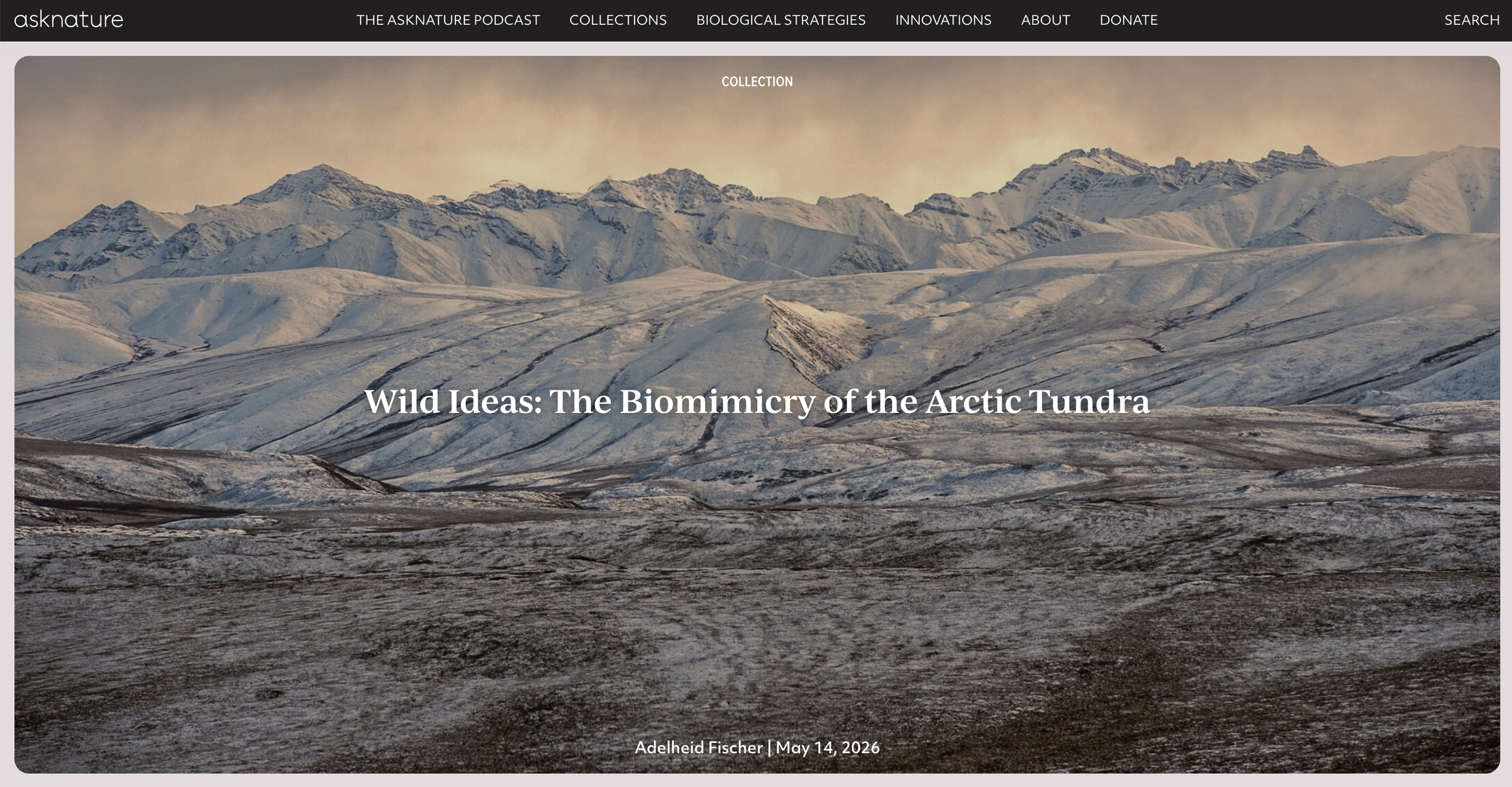
This latest installment focuses on the biota of Arctic tundra. I traveled there last July to the Toolik Field Station, the premier Arctic research facility located 158 miles north of the Arctic Circle on Alaska’s North Slope. There I experienced some of the most sublime moments of my life following in the footsteps of dedicated researchers—including some of the most thoughtful, courageous and hardy Ph.D. students I’ve ever met—who brave the rigors of fieldwork in the far North to study the intricate workings of this mysterious and beautiful place.
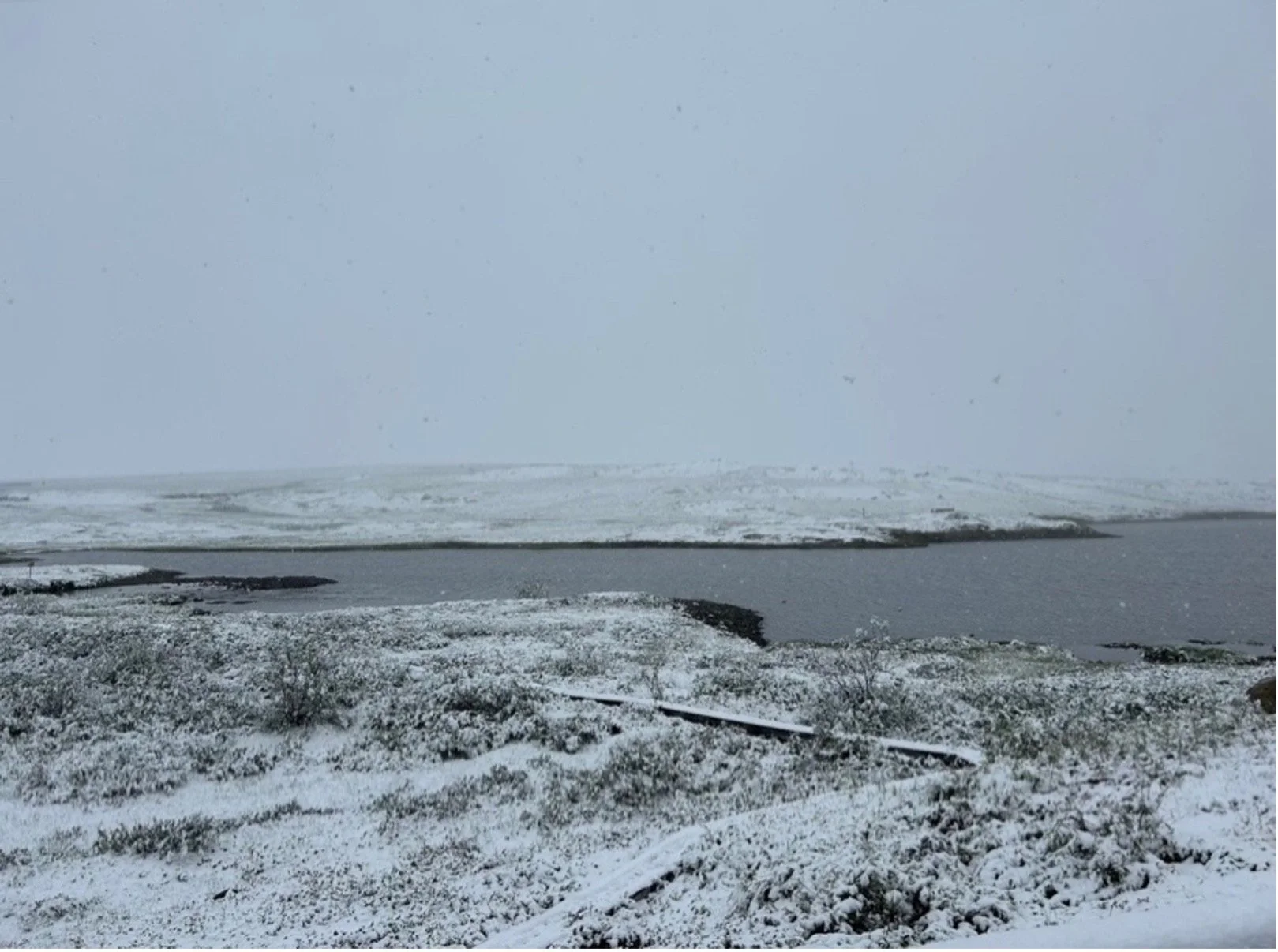
From my pre-trip reading, I learned that snowfall is possible any day of the year in the Arctic. So, I wasn’t particularly surprised to walk out of my tent on my first morning to this scene:
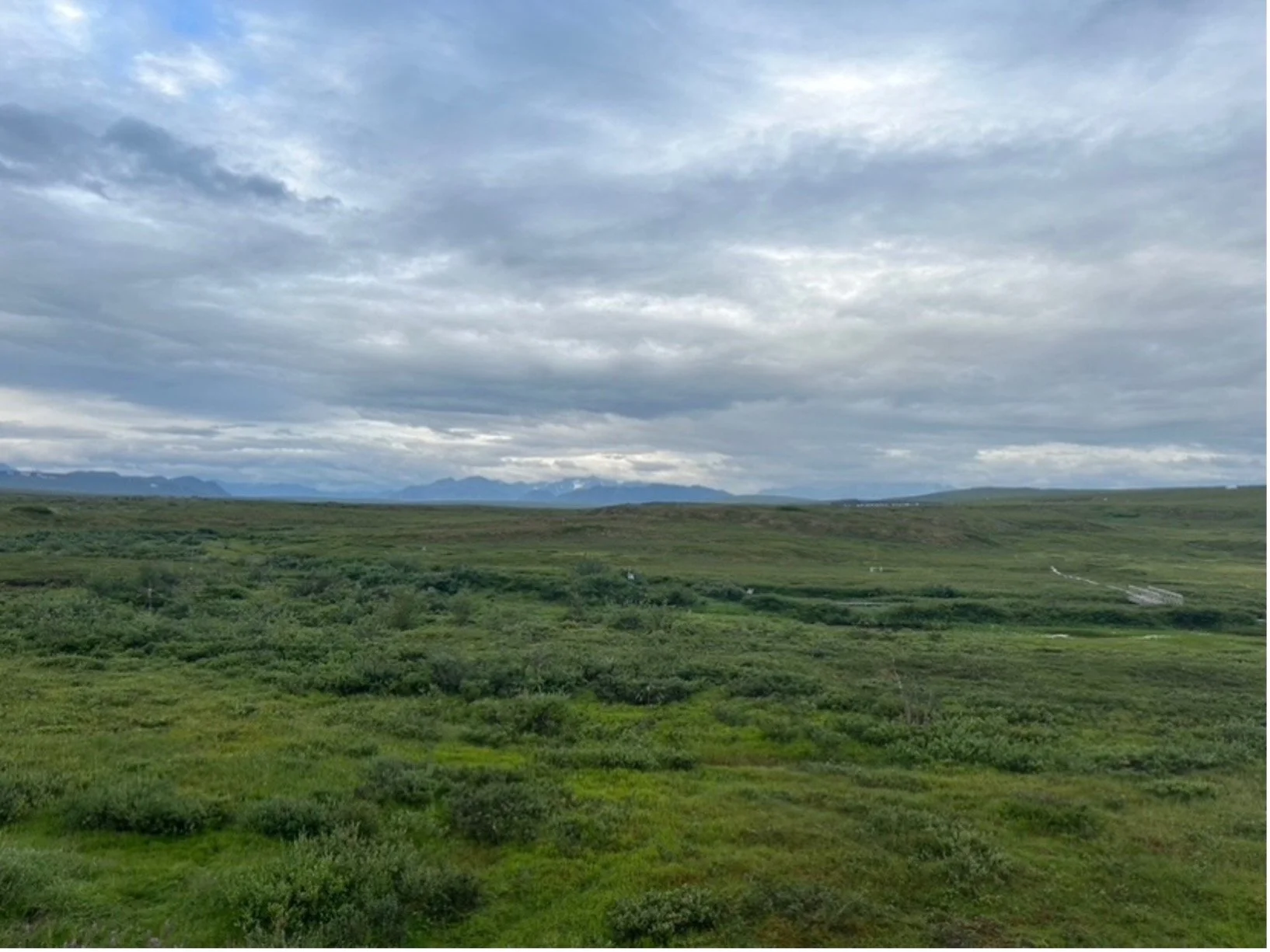
What surprised me was the scene a day later: under the snowmelt were green hills that rolled all the way to the Brooks Range to the south.
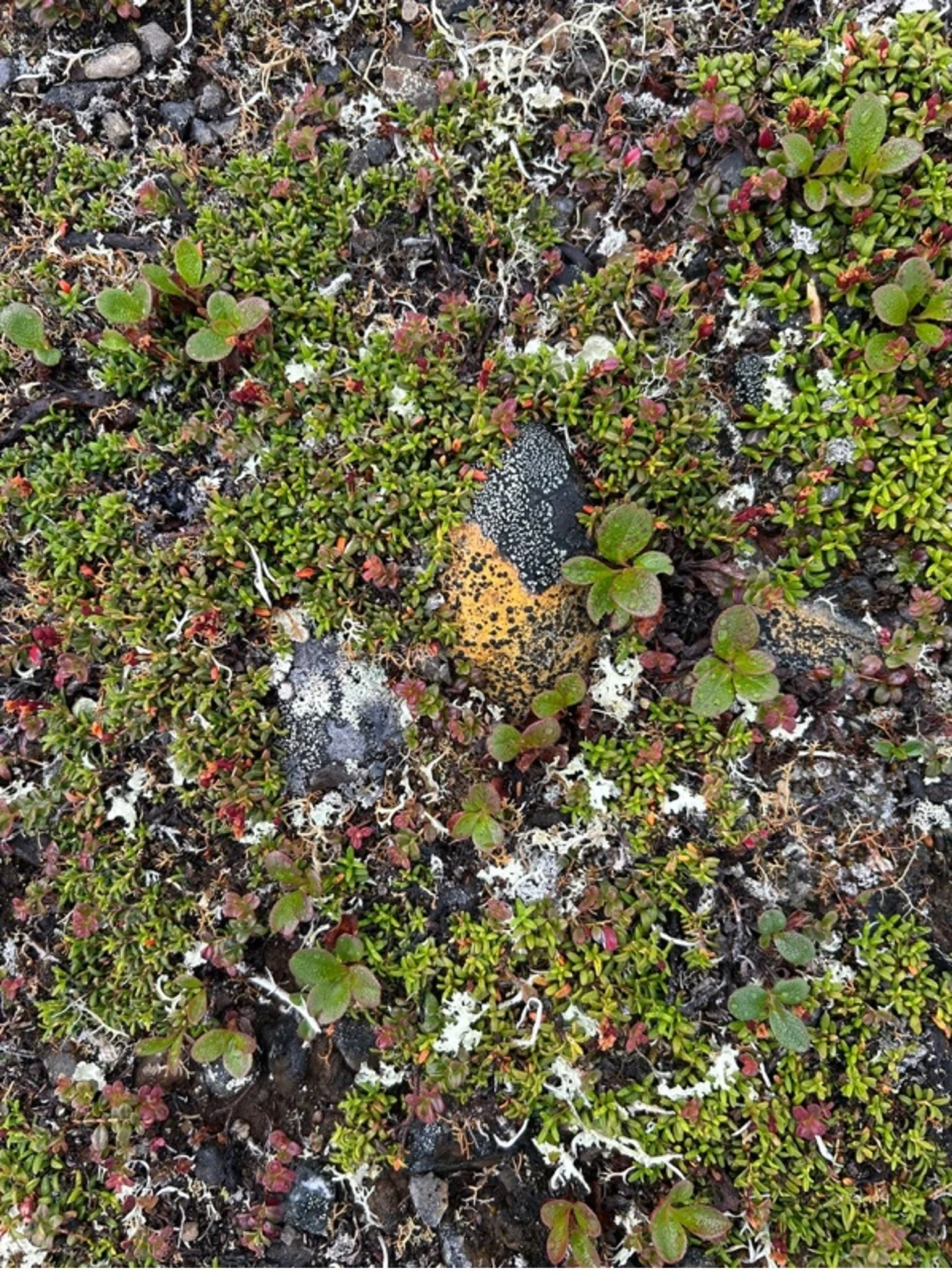
And downright shocking was the incredible profusion of life that emerged underfoot in a place that passes most of the year in a deep, dark freeze.
If you want to learn more about how life performs ingenious end runs around some of the most hostile conditions on earth, check out the “Wild Ideas” feature on AskNature.Org.
In response, perhaps you, like me, might crib a few lines from Shakespeare to express your gratitude and awe:
O, wonder!
How many goodly creatures are there here!
How beauteous mankind is! O brave new world,
That has such people [and critters!] in't!